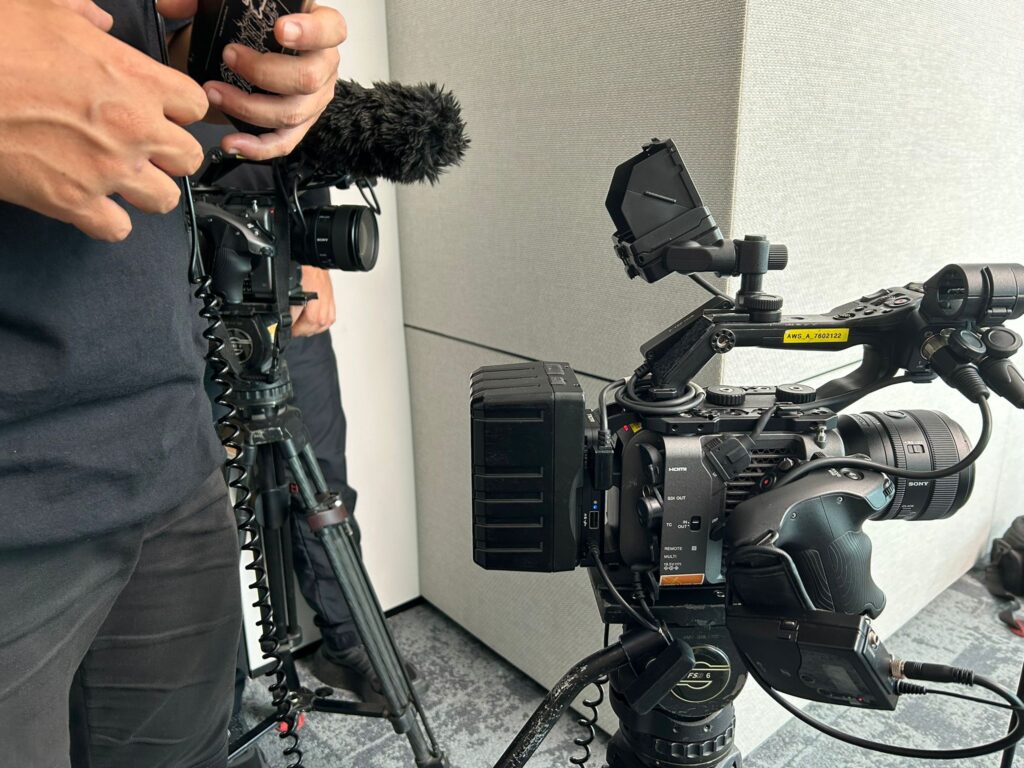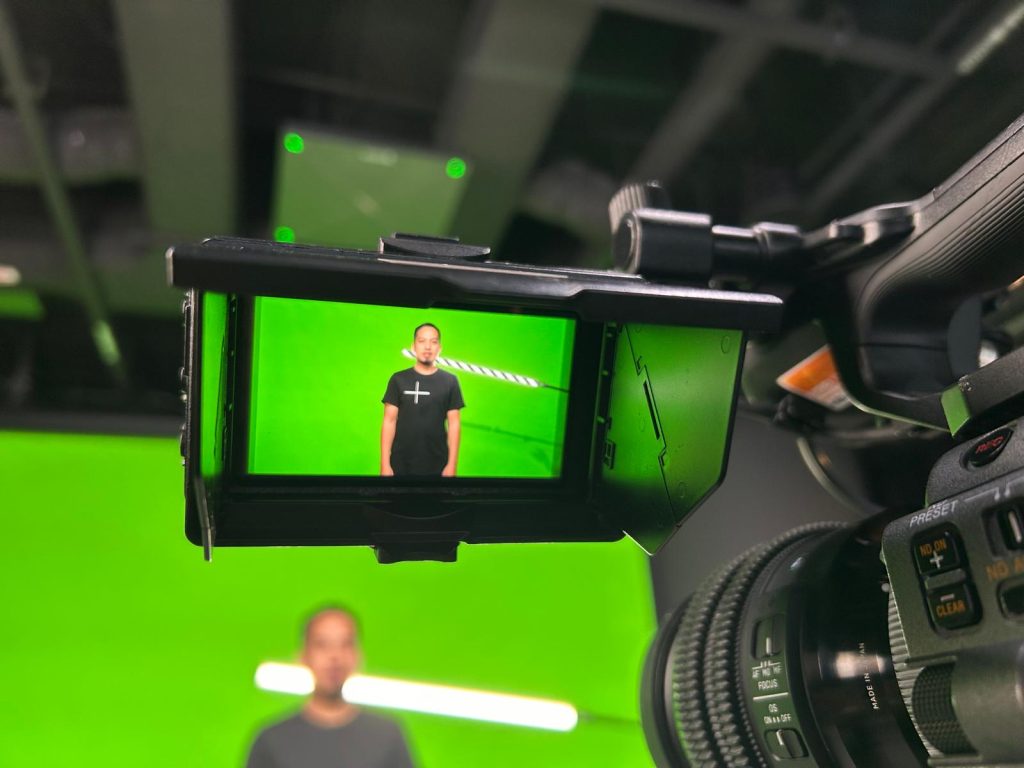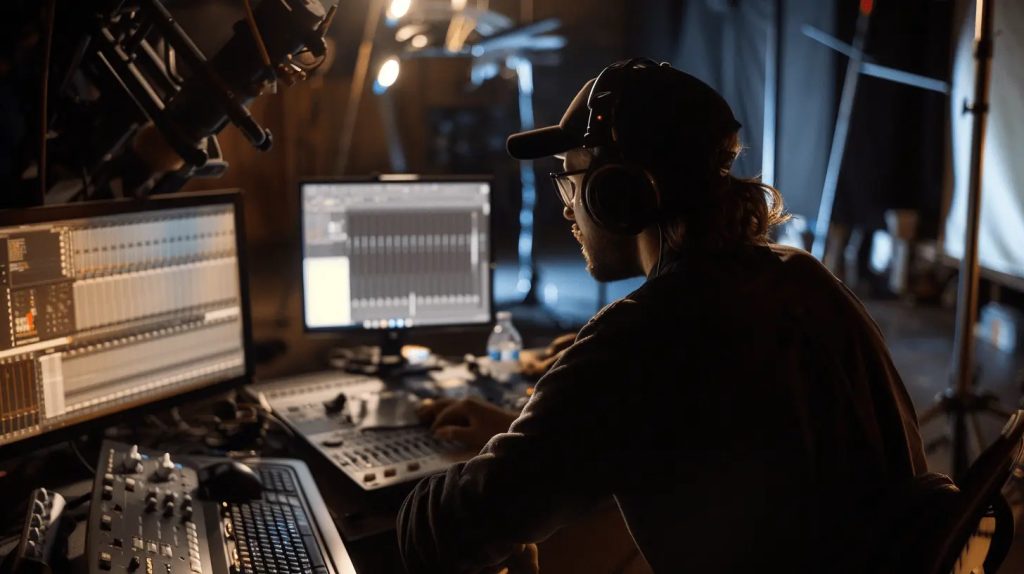
Authors note: It’s common for companies to create videos in-house. For quick internal messages, this can work well. However, when the goal is to communicate your brand story to a wider audience, the results can sometimes feel amateurish or unfinished. This isn’t about skill or effort. It’s because strong video requires more than filming and editing. To be effective, a compelling video needs structure, pacing, tone, and a clear message. It needs a story. A professional video producer brings that structure and storytelling into focus. As a result, the final product becomes clearer, more confident, and more memorable.
It is no longer enough for brands to simply tell their stories. They must show them. Audiences are constantly absorbing content, comparing brands, and evaluating credibility within seconds. Video has become the most powerful medium for shaping those first impressions.
For organizations that want to communicate value, build trust, and forge emotional connections, corporate video has shifted from a “nice-to-have” to a business essential. Yet high-quality video doesn’t just happen. Behind every polished corporate film, product showcase, or event documentary is the guiding hand of a professional video producer—someone who understands how to turn strategy into visual storytelling. At Prince & Mercer (P&M), this belief has shaped how we help clients develop meaningful and memorable video communication.
Understanding what a producer actually does—and why their involvement matters—helps leaders see video not as a marketing expense but as a strategic investment. A strong video producer elevates the brand’s narrative by transforming ideas into compelling stories that resonate with the audience. And in a world where attention is the most valuable currency, that ability makes a profound difference.
Understanding the Role of a Video Producer
The title “video producer” can sometimes feel vague. Some people imagine someone holding a camera. Others picture a director calling out cues on a film set, “Action!”. In reality, the producer is the architect of the entire production. They ensure that every part of the project, from concept and scripting to filming and editing, aligns with the client’s goals.
A producer starts by understanding what the organization wants to say. They ask about the audience, the message, the objectives, and the emotional tone. They shape these elements into a clear creative treatment that reflects the brand’s identity in style, pacing, and voice. Once the direction is agreed on, the producer manages the logistics. They help to assemble the crew, secure locations, organize schedules, manage budgets, and keep everyone aligned with the vision.
This approach is core to how we work at Prince & Mercer (P&M) with our clients. The aim is not simply to make a video look polished. It is to ensure the story supports real business outcomes. The producer’s role is both creative and operational. They translate strategy into storytelling. They do not just aim to “make a video” but to tell a brand story that resonates, persuades and moves people.
What Does a Video Producer Do?
To appreciate the value a producer brings, it helps to look at the full scope of their responsibilities. The video producer job description typically involves project management, creative development, visual direction, budgeting, team coordination, and final quality oversight. They serve as the central hub that keeps the project aligned, on time, and on message.
During pre-production, the producer develops the video’s narrative direction and identifies what is necessary to bring that story to life. They may conduct interviews, write or edit scripts, storyboard key scenes, and define the stylistic approach. During filming, they direct the shoot to ensure every moment supports the intended narrative. And throughout post-production, they work with editors, animators, and audio engineers to refine the final piece until it is polished, coherent, and emotionally compelling.
Their involvement ensures that the outcome reflects intention rather than chance. This is where experience matters in every production: craft, clarity, and meaning.
The Importance of Video Production in Branding
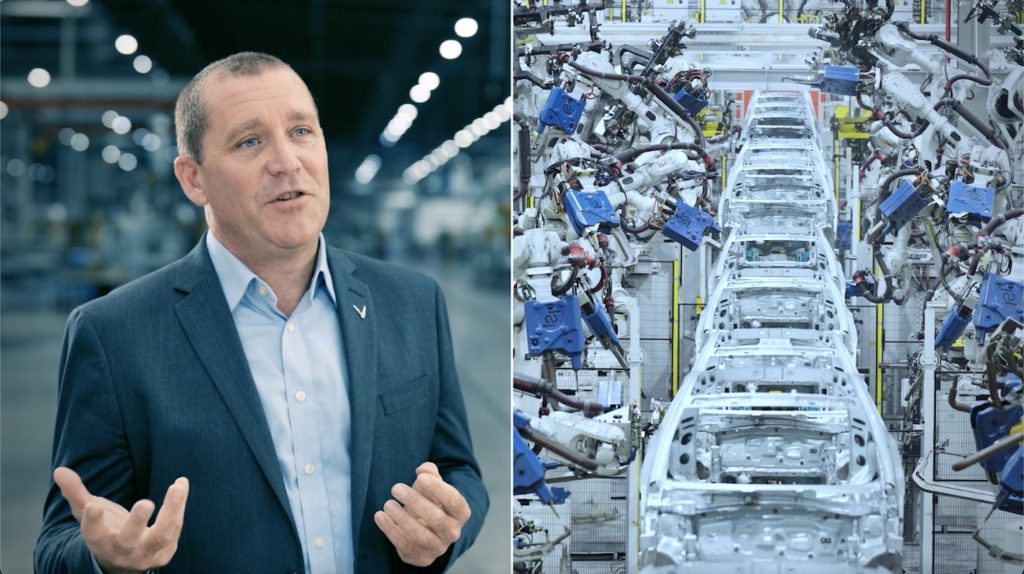
Branding is not only about logos, taglines, or mission statements. It is about perception. It is about how your audience feels when they encounter your organization. Video shapes that emotional impression more powerfully than any other medium. A well-produced corporate video can make a brand feel bold, confident, inspiring, human, or innovative. It can simplify complex ideas and make abstract offerings feel tangible and relatable. Who hasn’t used a YouTube video to figure out a new appliance?
This is why video production in branding has become so central. Video allows companies to express identity and purpose with clarity and authenticity. A polished video demonstrates professionalism and commitment to quality—characteristics audiences subconsciously associate with trustworthiness.
Professional producers ensure that everything aligns: tone, narrative structure, and visual language. Nothing feels accidental or improvised. The final result is a video that feels like a natural extension of the brand’s voice.
Digital Storytelling and Its Impact
Since the dawn of human civilization, we have used stories to communicate. The rise of digital storytelling has shifted how brands communicate. Audiences want emotional clarity and narrative purpose. Visual storytelling allows messages to bypass intellectual interpretation and connect directly with feeling—and feeling drives memory and loyalty.
At Prince & Mercer (P&M), this narrative discipline is foundational. Stories are not just sequences of images; they are emotional arcs. When people see themselves reflected in a brand’s narrative, whether through real testimonials, leadership stories, or behind-the-scenes film, they build a sense of connection with the brand. And connection is how brand advocacy begins.
The Power of Visual Content in Marketing
Video remains the most watched, shared, and remembered form of content online. Websites convert more effectively when video is present. Social platforms amplify it. Algorithms prioritize it. And audiences retain visual stories far longer than written explanations. In a world of short attention spans, video is king.
However, there is a gap between having video and having video that actually strengthens credibility. Poorly executed or generic video can diminish brand perception. High-quality video elevates it instantly. That difference often lies in the experience, foresight, and sensibility of the producer.
Key Skill Requirements for a Video Producer
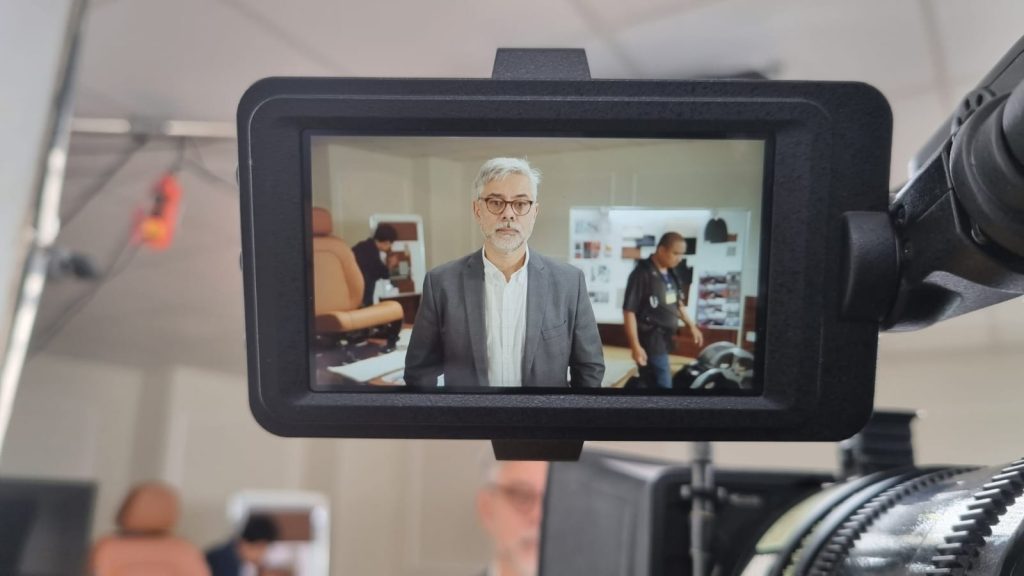
A professional video producer blends a client’s strategic thinking with creative direction and emotional awareness. They understand narrative structure, cinematography (or photography), sound design, pacing, character, tone, and messaging hierarchy. They know how to lead non-actors, guide conversations, simplify complexity, and help subject matter experts appear natural, clear, and confident on camera.
These abilities cannot be automated or templated. AI tools can augment workflow. But they cannot replicate the decision-making, intuition, and storytelling intelligence that comes from experience. This is where the value of a good producer becomes most tangible.
Event Video Production: A Case for Professional Help
Events are defining moments for brands. They gather customers, partners, employees, and stakeholders into a shared experience. Capturing these moments requires preparation, workflow mastery, and the ability to interpret what matters in real time.
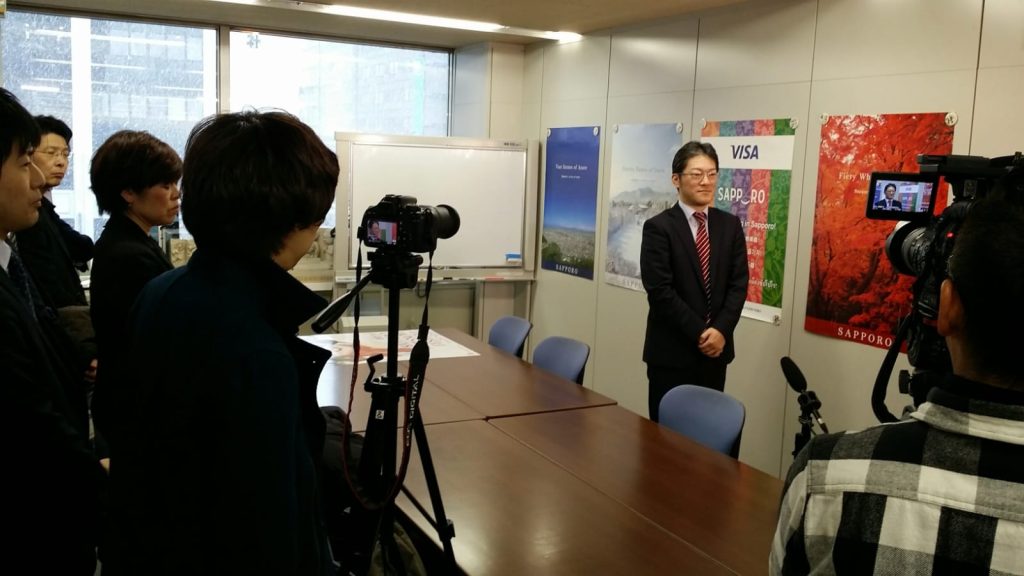
Event video production is a specialty where professional expertise makes a visible difference. A producer deals with nervous clients, anticipates angles, manages audio challenges, directs coverage, and captures the energy and narrative meaning of the moment, creating a film that extends the event’s life long after the doors close.
Instead of simply recording, the producer documents the moment’s story.
Investing in Video Production for Brand Growth
The value of a professional video producer lies in their ability to shape meaning. They guide narrative coherence, emotional tone, and visual clarity so that audiences understand not just what a brand offers, but why it matters. At Prince & Mercer (P&M), the goal is always to help brands communicate with confidence, humanity, and purpose.
Investing in expert video production is ultimately an investment in perception, trust, and long-term relationship-building. In a world defined by attention and impressions, a powerful story well told can be your company’s most strategic advantage.