Writing a script for your corporate executive is only the beginning. There is often a major conundrum: the executive won’t or can’t memorize it, and your boss’ expectation is that the script will be followed.
The Dreaded Corporate Script Scenario
First Draft
You need to make a video with the regional economist. The script is written based on the information you have, usually a few PowerPoint slides. It gets sent up to your managers for comments and changes. They make a few comments, then it gets passed to the rest of the teams, including the economist.
Second Draft
It comes back a sea of red ink and track changes. You rework it again. You’re sure the second round will be accepted. But you’re wrong! The document is another sea of red ink and more track changes. You realize that this video shoot needs to be pushed back until the script is approved. And when you time it, it has grown from 90 seconds to 10 minutes! And the boss wants this done immediately.
Everyone is a Script Writer
You explain to everyone that it needs to be cut back down to 90 seconds. You start to cut much of the information that everyone has added. After an extra month of changes, meetings, legal review, and more edits, it’s ready to go. Your boss is irritated that this has taken so long.
The Shoot
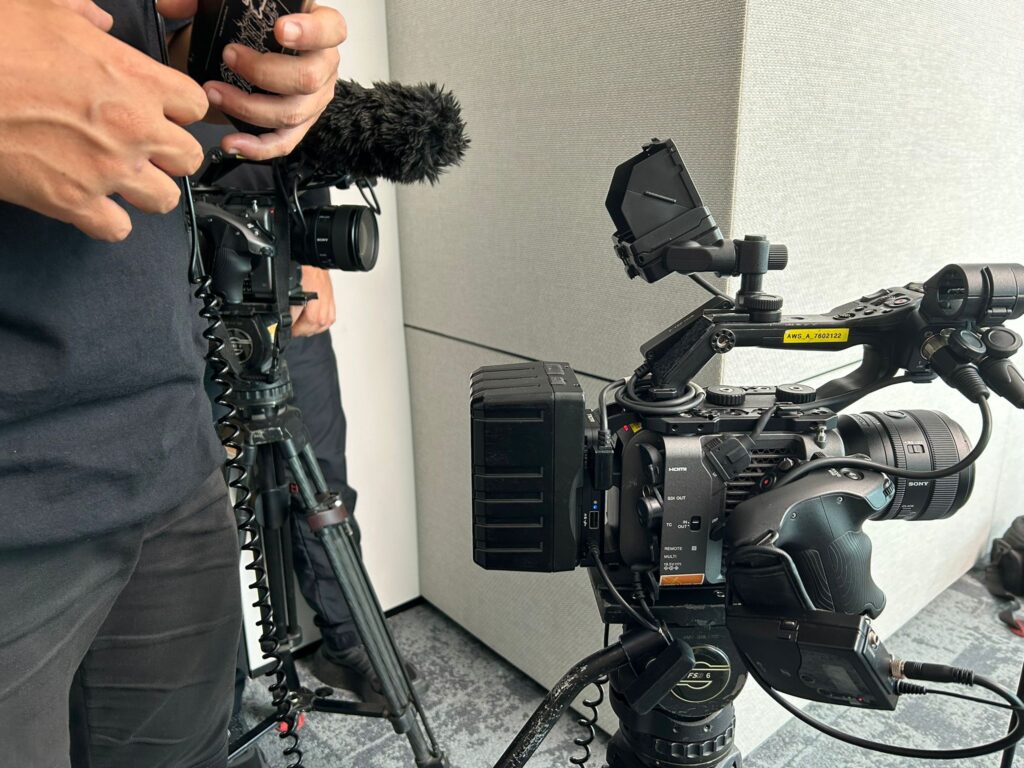
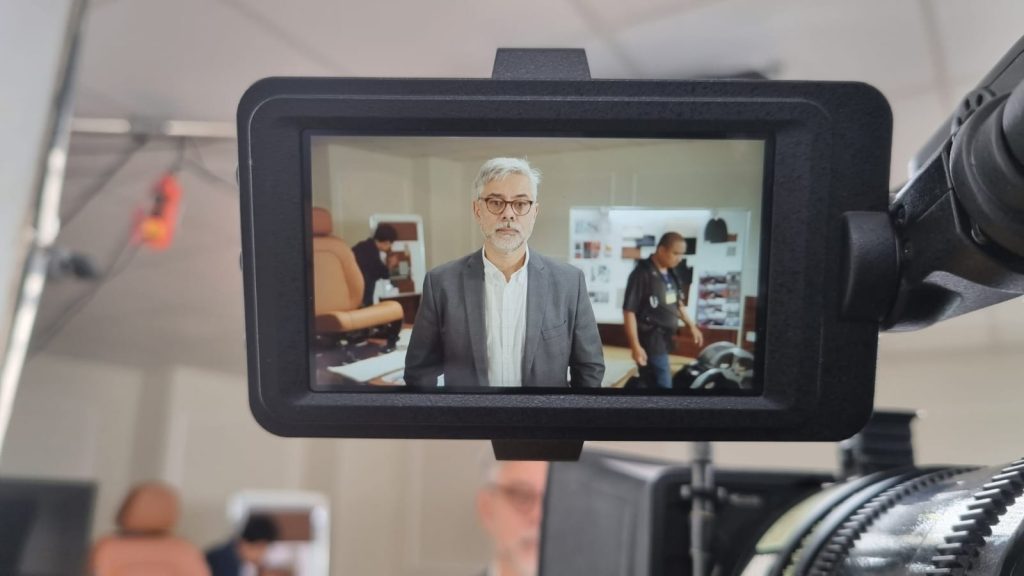
The video crew sets up. In comes the economist and your boss to watch the production. You’re happy to get this underway, even if it is a month late. The economist sits down on the stool and whispers that he is a bit nervous. And that he can’t remember all the points on the script; and can he use cue cards; and he can’t remember what he wanted to say. Is that sweat dripping down his forehead and soaking his shirt?
We Don’t Need a Script
The director starts shooting, the economist starts stumbling through his lines and five takes later, it’s getting worse. You realize he can’t follow the script. The economist asks, “Can’t I just say this in my own words?” You panic because it was clear from legal that he wasn’t allowed to say anything that could ‘move markets’. Your boss looks visibly worried, glowering at you and the video crew.
The Disappointment
How is it that a 90 second video, based on a few PowerPoint slides became so complex, such a screw up? Why is the economist blaming YOU for not following the script?
Here are a few lessons I learned after nearly a decade of writing and producing content:
Use Talking Points, Not a Script (they won’t follow it!).
Unless you’re working with an actor who is used to memorizing lines, writing a tight script is often an exercise in futility. Remember, corporate executives went to business school, not acting school. It’s the rare executive that can memorize lines then deliver them in a convincing, natural style. If you’re working with a ‘subject matter expert’, it’s best to give them talking points and let them talk about what they know best.
Set Expectations Upfront (try to work with extroverts).
Some executives love talking. Some are naturals in front of a camera. But the vast, vast majority are about as comfortable as a fish out of water. I’ve seen executives freeze up, flop sweat, forget how to speak, scowl, swear out of frustration, scream at the crews and their subordinates. If you know your executive is great in front of the camera, then you can assume they’ll get through the taping. Otherwise, they will need a lot of hand-holding and extra counselling before you wrap it up.
Use a Teleprompter If Needed (reduces stress).
If your video involves ‘market moving information’, make sure to use a teleprompter. You may want the interview to sound authentic, but there is a high probability that numbers and facts may be presented wrong. I’ve seen senior executives get all kinds of facts and figures confused during a video shoot. And if the legal department approves a script, make sure you use the teleprompter, especially if it involves investor or corporate information.
Let the Background Tell the Story (try not to shoot in a corporate office).
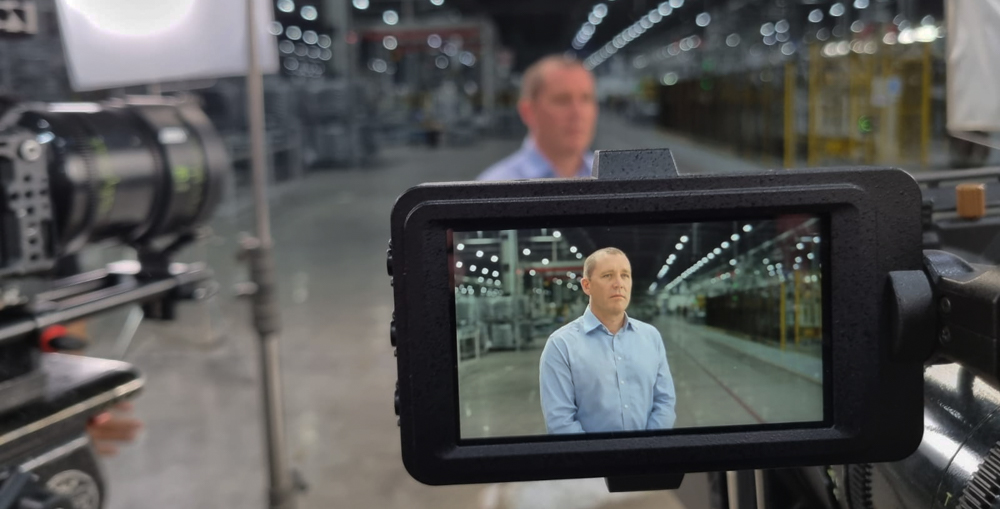
Shooting a corporate video in an office is filled with distractions. Often you have no choice, especially if the background or surroundings are part of the story. But if you can, try to shoot in a studio so you can better control the production. It’s easier for sound, lighting and camera position, (and it eliminates all the extraneous noise like air conditioning or people talking in the hall).
Hire an Agency to Help (you hire them for expertise).
Bring your video team in early on before you start to shoot. An agency can help you with each phase of the production—from the dreaded video script to the final edit—because they hire expert script writers and producers and editors. Have them help you with polishing the script before and after you drown in a red sea of edits and changes.

Set expectations up front for your immediate boss and everyone involved. The above five points, in my experience, make all the difference between a stressful–or a successful–production.