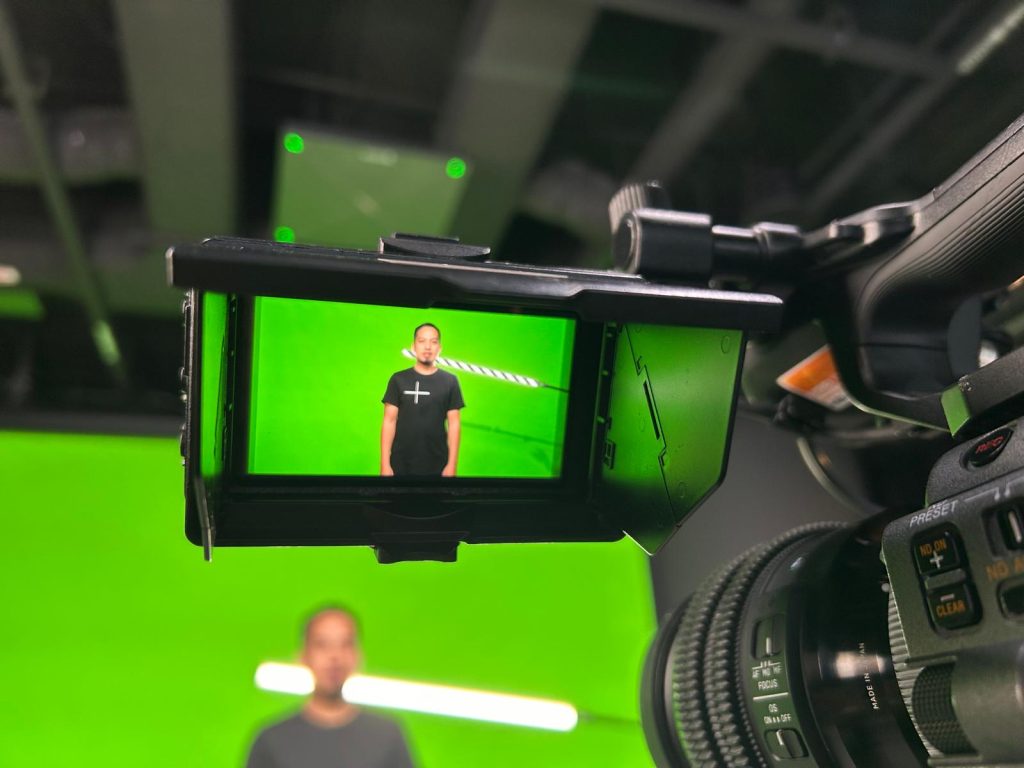
A question I often get: Do you shoot commercial videos on your iPhone? My answer: It depends.
The iPhone and similar phone cameras are real technological miracles. Why they’re still called ‘phones’ is beyond me since I rarely see anyone actually make a call. The latest iPhone is more a cinematic camera with attached social media apps. Sure, you can make a call, but why do that when you can send pictures or a video with WhatsApp! Talking to another human being is so 2010.
And yes, the iPhone is more than enough to shoot a great video, even a commercial ad or a movie. The quality of the video output is impressive, rich with clarity, color and vibrancy. And there are other apps that add to the quality. If you’re an aficionado of iPhone video, try using the DJI or BlackMagic Cam apps for more control and that added cinematic look. Both apps give you more control over aperture, color and framing than the iPhone app alone.
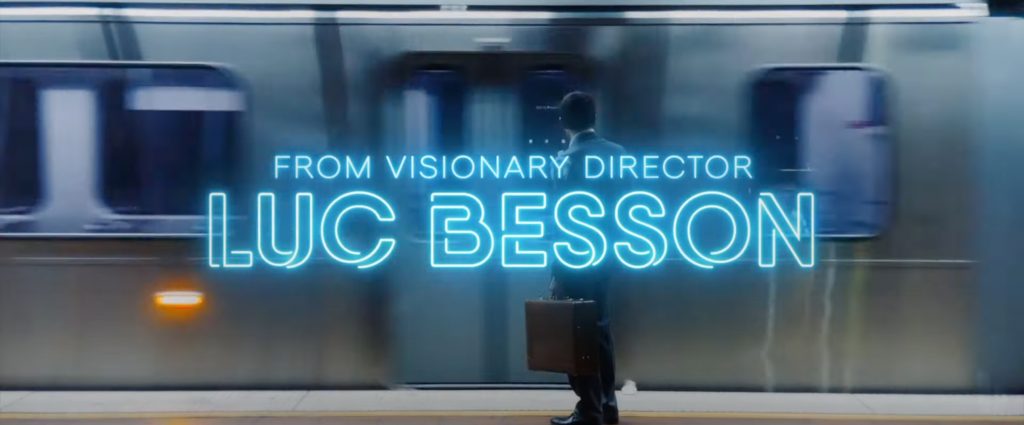
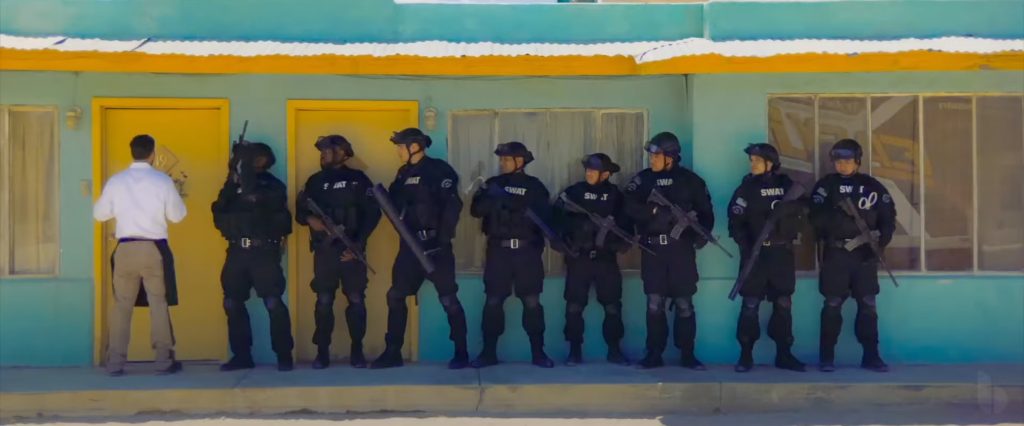
The renown French director Luc Besson (La Femme Nikita, The Professional, The Fifth Element) is releasing a movie this summer called June & John that was shot during the pandemic years using iPhones. The trailer looks impressive, with Besson pushing his iPhone cameras to the limit. The film also looks fun. Stripping away the huge crews, the big cinematic cameras, the trailers of lighting equipment must have been liberating for Besson. It’s very tempting to think that the days of film crews using Red or ArriFlex cameras has come to an end. Why use those $25,000 cameras when that $1,500 iPhone will do?
Choosing Your Camera
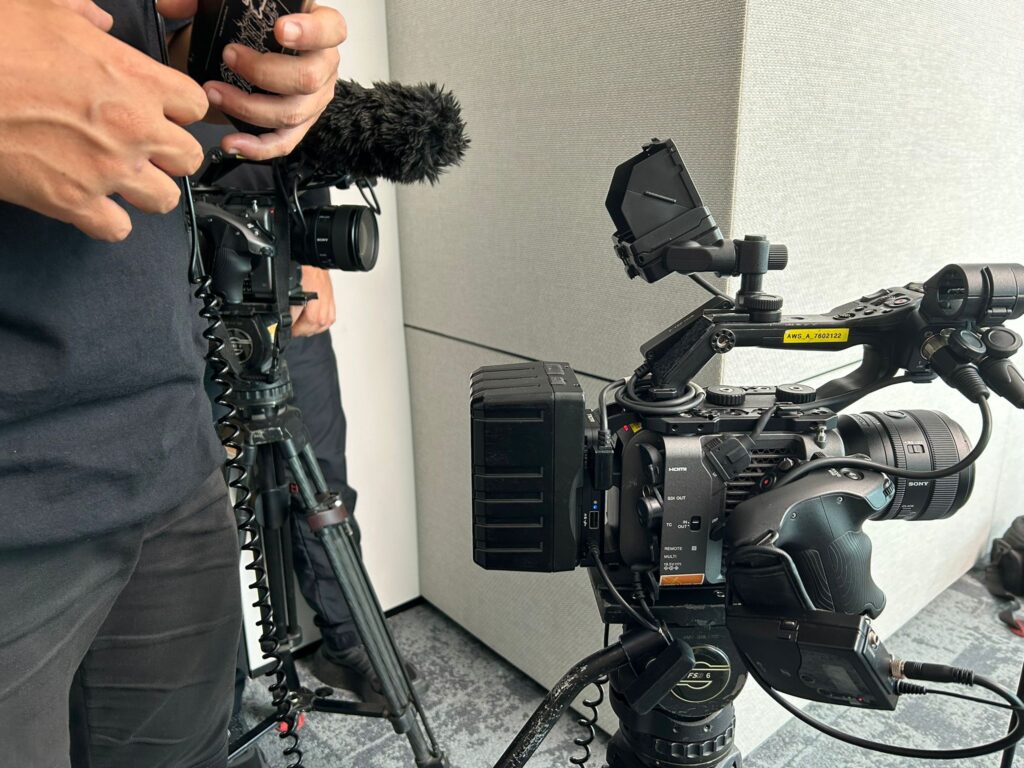
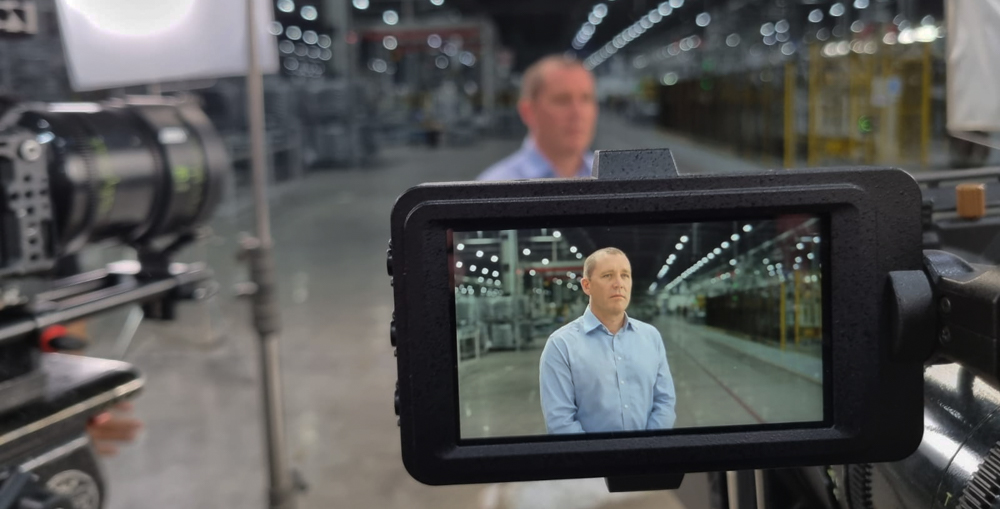
The reality is that directors still love working with professional cameras and crews.
The iPhone is capable of a lot. But it also has severe limitations. For example, a cinematographer with an Arriflex camera can change lenses and perspectives, from super wide to telephoto. And they’re fast; changing focus and depth of field is a quick dial change. With an iPhone, you have one lens and generally one perspective, with complex screen controls for changing depth of field. Shooting with an iPhone means being very aware of the limitations and working within those parameters.
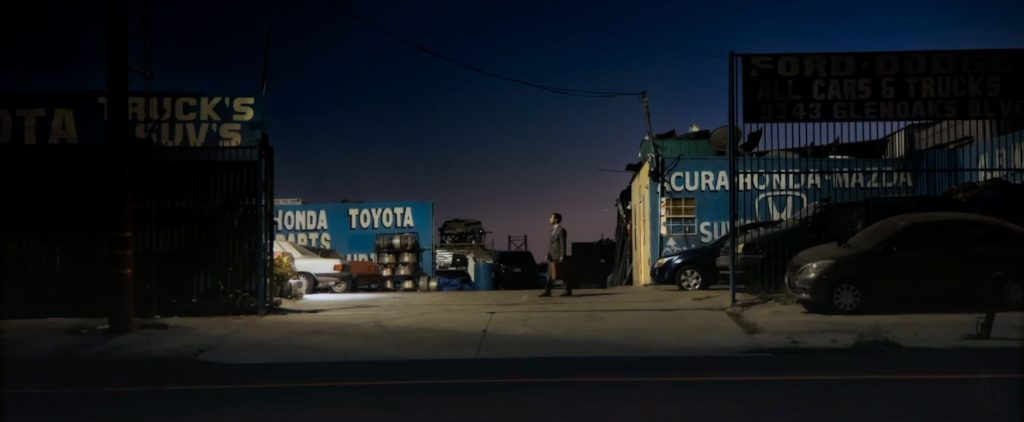
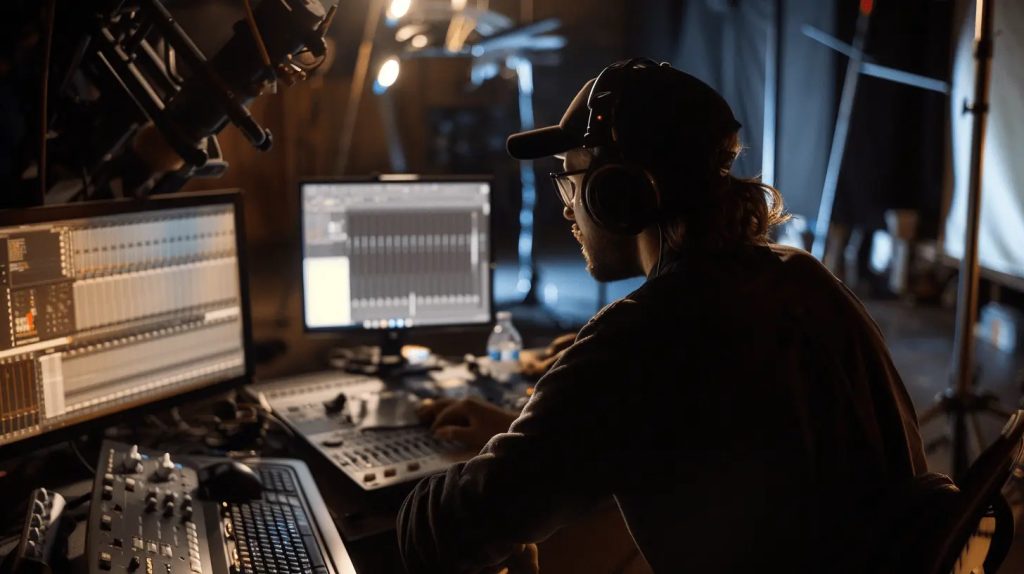
And then there is sound. The iPhone has several capabilities for small Bluetooth microphones that plug into the jack. But try anything larger or more complex and you’ll need a sound crew with separate sound recording that you’ll need to synch later in editing. I’m sure Besson with his iPhones also had a small crew to capture voice and sound. One thing that can’t be overcome in editing: bad sound.
Most bloggers and YouTubers use phones because they’re easy. From what I can see, most bloggers really don’t know much about photography or lighting. How many food and travel bloggers are hand-holding the iPhone with bad framing, jerky panning and blurry closeups? Many creators use small DJI microphones attached to the iPhone, but often capture too much street noise, drowning out the host. Still, the iPhone is forgiving, auto balancing the lighting, and offering high enough resolution that reframing is possible in the edit. And with new AI sound editing, it’s possible to pull out the host’s narrative from light background noise.
Movies and Ads
Still, the iPhone and Samsungs offer a cinematic camera in your pocket (although the iPhone seems more versatile). Work inside the limitations of the phone, learn some basic camera movements and framing, use a tripod or DJI gimbal to keep your camera still, and you can make some beautiful pictures and video.

Films like Tangerine (2015) and Ghost (2020) were filmed on an iPhone, along with others. Now Besson’s new film. There have been countless ads shot on iPhones, including the very moving 2018 Chinese New Year film made by Hong Kong director Peter Chan for Apple. It’s both emotional and beautifully shot (it’s impressive enough that some directors thought it was shot on a cinema camera), using time to tell the story of a brief reunion of a son and his mom.
As the iPhones progress, it’s easy to see more professional directors and producers using them. In a landscape of reduced production budgets, it’s very tempting to use an iPhone instead of expensive camera rentals, especially if the final work is destined for YouTube or Instagram.
The iPhone is the cinematic camera for the masses, a camera in every purse or pocket.