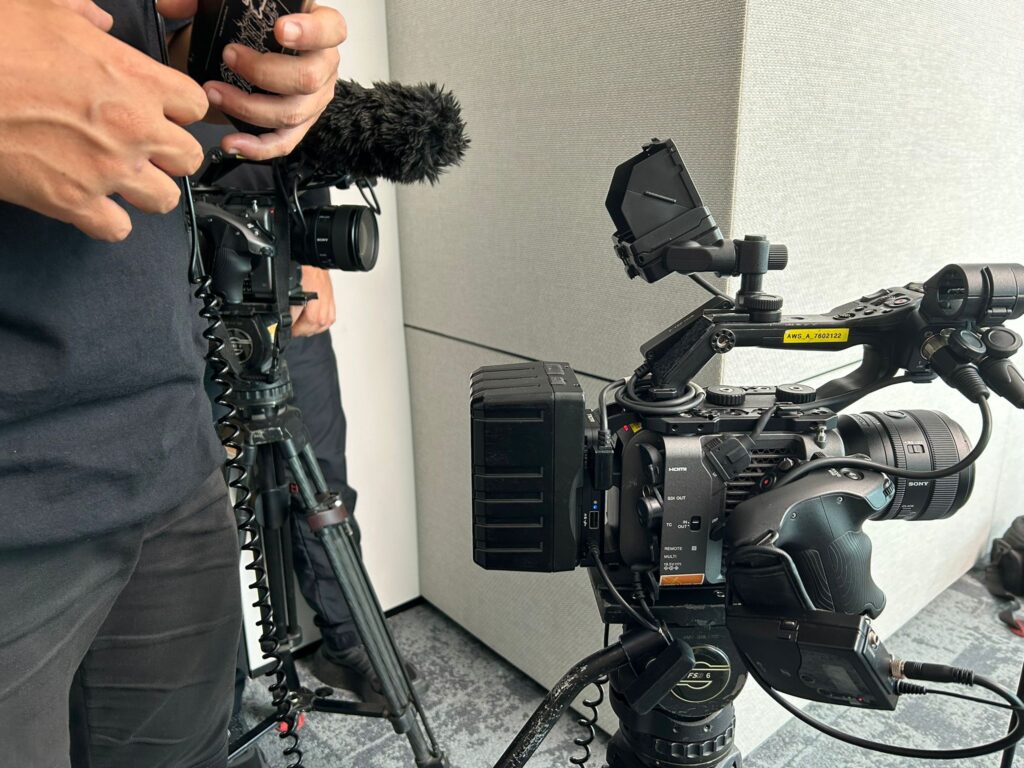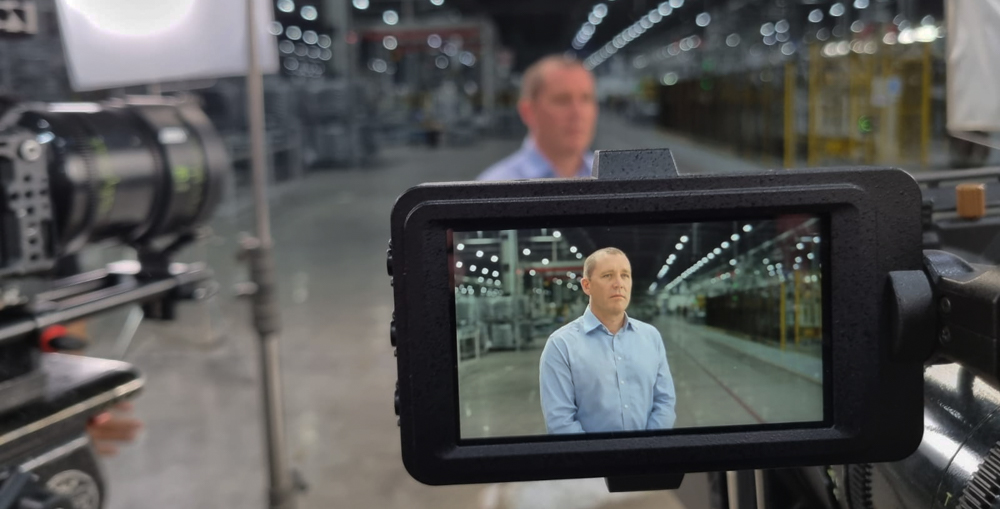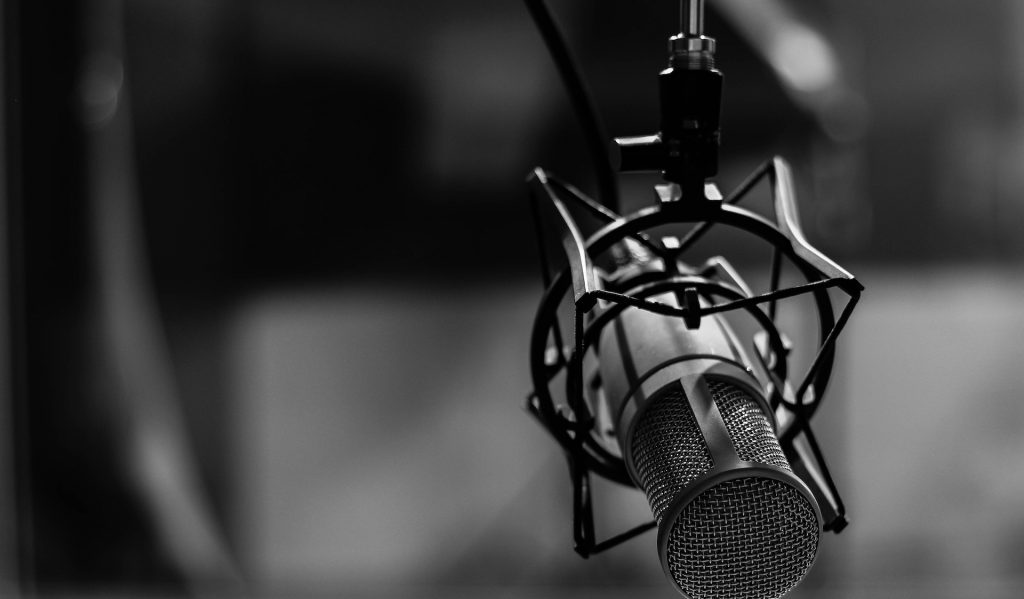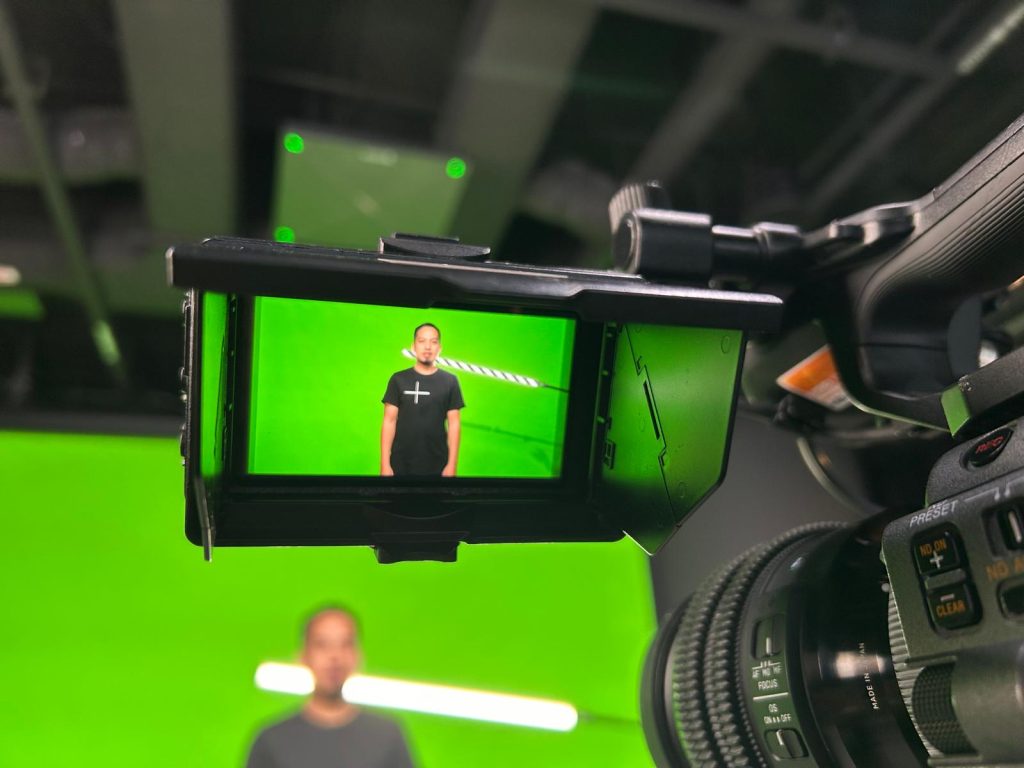
Everyone wants to make a video. What I find is that content creators think more about the visuals than sound recording. In my opinion, they need to think a lot more about sound.
What is more important in a television show, a movie or a corporate video: sound or pictures? Maybe the real question should be: What is harder to fix: bad sound or bad video?
In my decade or more of producing and directing video, I was always more obsessed with sound than I was with ‘visual’ elements. We could always use different tricks to tell a story with video. But without good sound, especially in an interview, the whole production would fall apart. If you have the aural piece, an editor can always use visuals to make something ‘watchable’. But a bad microphone on an executive’s interview, and you’re probably out of a job.
Our Brain on Sound
There is a complex relationship between acoustics, music and voice on our brain. Not to get too technical, but what scientists call ‘auditory perception’ is very important to how we process sound into basic emotions. Think about it, music can make us ebullient, relaxed or tense, draw out memories long stored deep in our minds.
Before the days of television, we had radio (and now podcasts). And it was very effective at entertaining, transmitting news and music. When I was a kid, I listened to football games while I watched the same game on television. I was more emotionally invested in the game by the radio announcer than the guys on television. In the end I was listening to the game more than I was watching it because the radio sports announcer had to be better at describing the action.
Our brains are tuned for sound. Online learning’s foundation is based less on the video and more on high-quality voice instruction. Studies have shown that without a clear voice, students don’t learn or only understand parts of the lesson. Many YouTube creators have learned the hard way that echoing, hollow, static or background noise-laced (like car engines or horns) narrative turns off viewers more than poorly shot video. I’ve watched videos that blur because of a camera set for auto focus or interviews that are poorly framed. But the second the sound is bad; I tune out.
A Sound Job
If you are considering hiring an agency to do a production for you, make sure an experienced ‘sound person’ is included in the quote. We live in a time of cost cutting and low budgets. But given the choice of an okay camera operator and a good sound man, or a great videographer and an untested sound guy, I’ll take the former any day of the week. When directing, I can always check the video. But sound engineering remains a ‘dark art’ that often demands a Jedi, if not a Yoda.
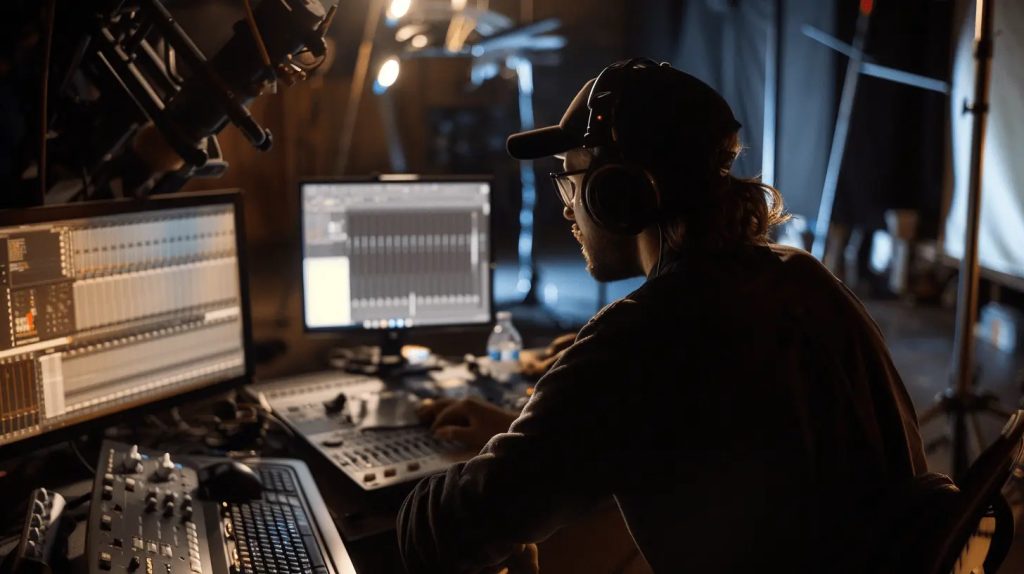
There are professionals in film and video production who specialize in sound. Many went to school for years to learn the finer points of producing music and capturing conversations. If you have ever wondered who produces the music you love to listen to, the sound effects in a movie, or the conversations between film characters, look no further than the Production Sound Mixer.
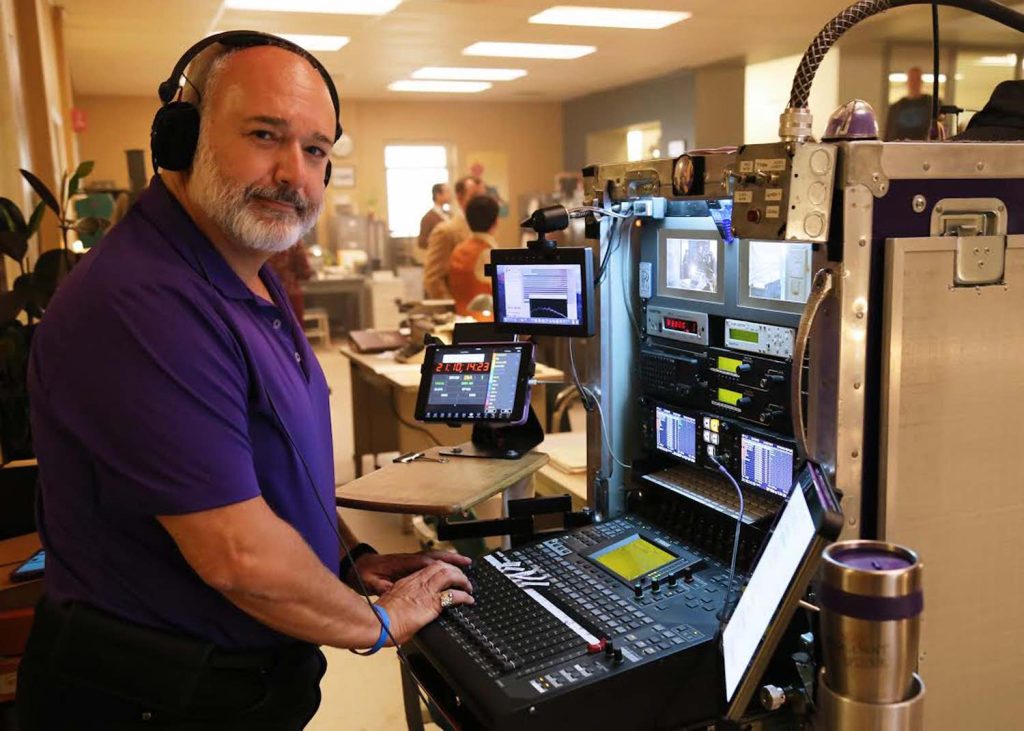
The job is complex and involves both technical expertise and artistic finesse. In a low-budget show (or corporate video), they set up wires, affix lapel mics, and operate boom mics while mixing on a mobile controller. On a big-budget productions they work with a sizeable crew including boom operators and sound mixers, cable wranglers (hiding them anyway they can). Their job likely involves a mix of supervision and creativity. The result are sound effects and the narrative that make movie magic.
The Mini Microphone
Technology has caught up with microphones and sound engineering. For a few hundred dollars, it’s possible to purchase ‘plug and play’ mini lavalier microphones from trusted brands as DJI and RODE that will work for basic interviews.
Just plug in the receiver into the jack on your iPhone, clip the microphone on the collar or lapel of your subject, and start recording. It’s simple enough. And the recording is good enough for most YouTube productions.
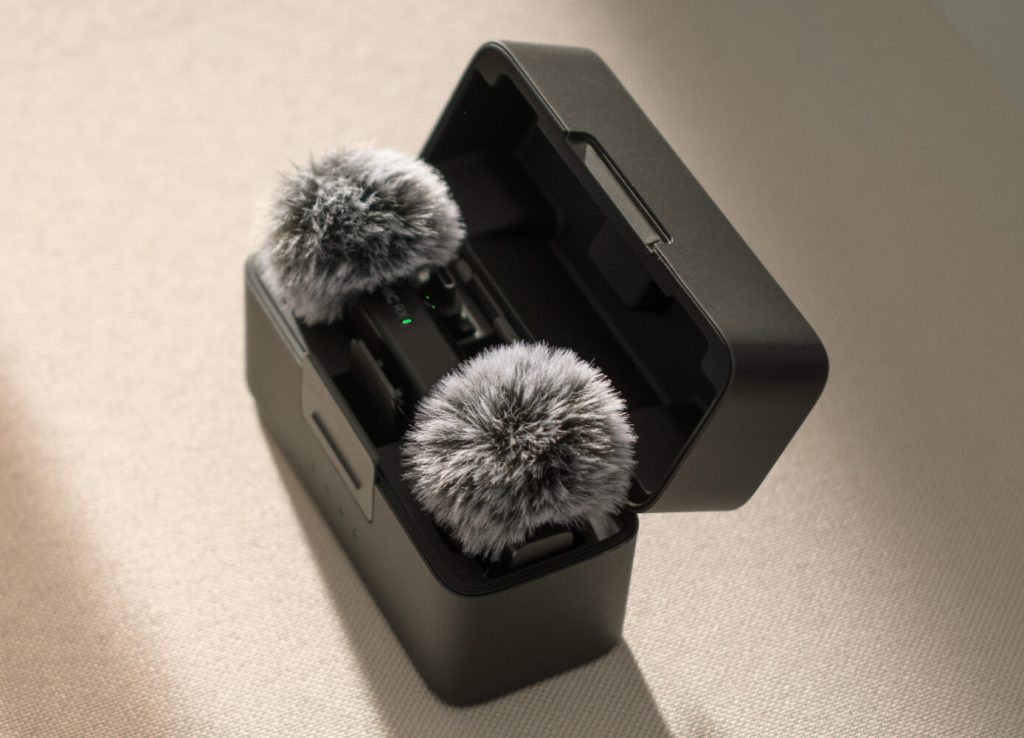
DJI’s Mini Microphones
Although, they do have limitations. It’s best to practice with them before setting off on your first video directorial debut. They tend to pick up unwanted sounds like the sound of wind or the road, and you may hear rustling of cloth where the microphone is clipped, or even your interviewee breathing or sighing. And if you are filming in an area where there is a lot of radio or concrete, you may experience static or loss of signal quality.
But they are a definite improvement over the internal mics on any mobile phone and they’re simple enough to operate that most novice iPhone film makers can become proficient quickly.
If you’re banking your corporate reputation on effective social media content that is based on a strategy, it’s probably best if you stick with an agency. If you’re a competent videographer who understands sound technology, music and editing, an iPhone with mini microphones will work for most scenarios.