Professional video does not happen by chance. Although modern tools make it easy to press “record,” effective brand video still depends on structure, intention, and execution. That structure is the video production process. When teams understand it, they make better creative decisions, control budgets, and deliver stronger results.
In this quick step-by-step guide, we walk through the full journey from script to screen, clearly explaining how a professional video production workflow turns ideas into compelling visual stories.
Why Understanding the Video Production Process Matters
Too often, businesses assume video production begins on shoot day. In reality, filming sits in the middle of a much larger process. Without planning, even beautiful footage can feel unfocused or disconnected from business goals.
By contrast, a clear video production workflow keeps teams aligned from start to finish. It clarifies priorities, reduces revisions, and ensures that every creative choice supports a specific outcome. As a result, video becomes a strategic asset rather than just another piece of content.
Most importantly, when teams understand the process, they collaborate more effectively and move forward with confidence.
Step 1: Strategy, Objectives, and Creative Direction
First and foremost, every successful video begins with strategy.
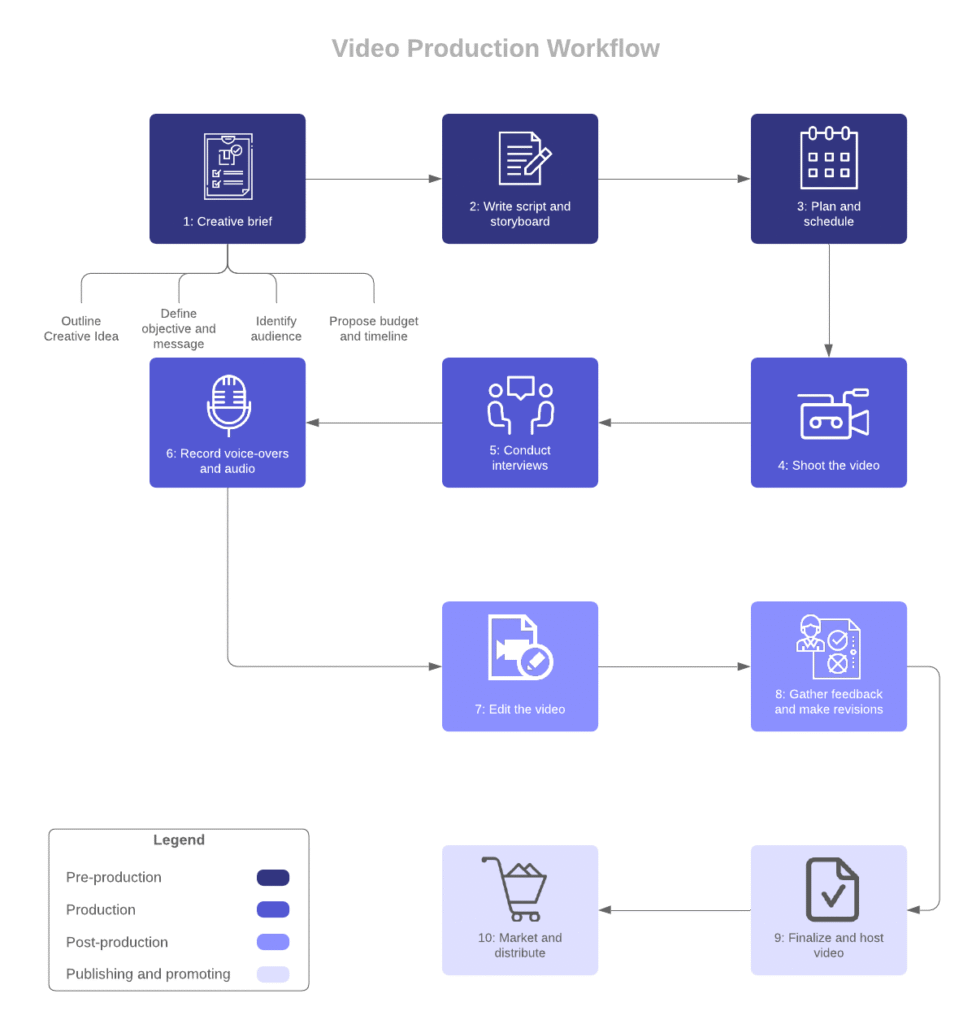
Before anyone writes a script or sets up a camera, the production team defines clear objectives. What should this video achieve? Should it build brand awareness, explain a service, support internal communication, or drive engagement on social platforms? Each answer shapes the final approach.
At the same time, teams identify the audience. A leadership message aimed at executives requires a different tone than a social video targeting early-career professionals. Once the audience is clear, creative direction follows naturally. Visual style, pacing, and messaging all flow from this foundation.
When strategy leads the process, every later decision becomes easier and more effective.
Step 2: Scriptwriting and Narrative Development
Next, strategy turns into a story.
Scriptwriting transforms ideas into a clear narrative that works on screen. Unlike traditional marketing copy, video scripts must sound natural when spoken and leave room for visuals to carry meaning. For that reason, strong scripts favor clarity, rhythm, and simplicity.
At this stage, structure plays a critical role. A strong opening captures attention quickly. The middle delivers insight or emotion. Finally, the ending reinforces the message and guides the viewer toward a next step.
Because the script anchors the entire production, teams that invest time here avoid confusion later. In short, strong video storytelling starts with purposeful writing.
Step 3: Pre-Production Planning
Once the script is approved, ideas move into action through pre-production.
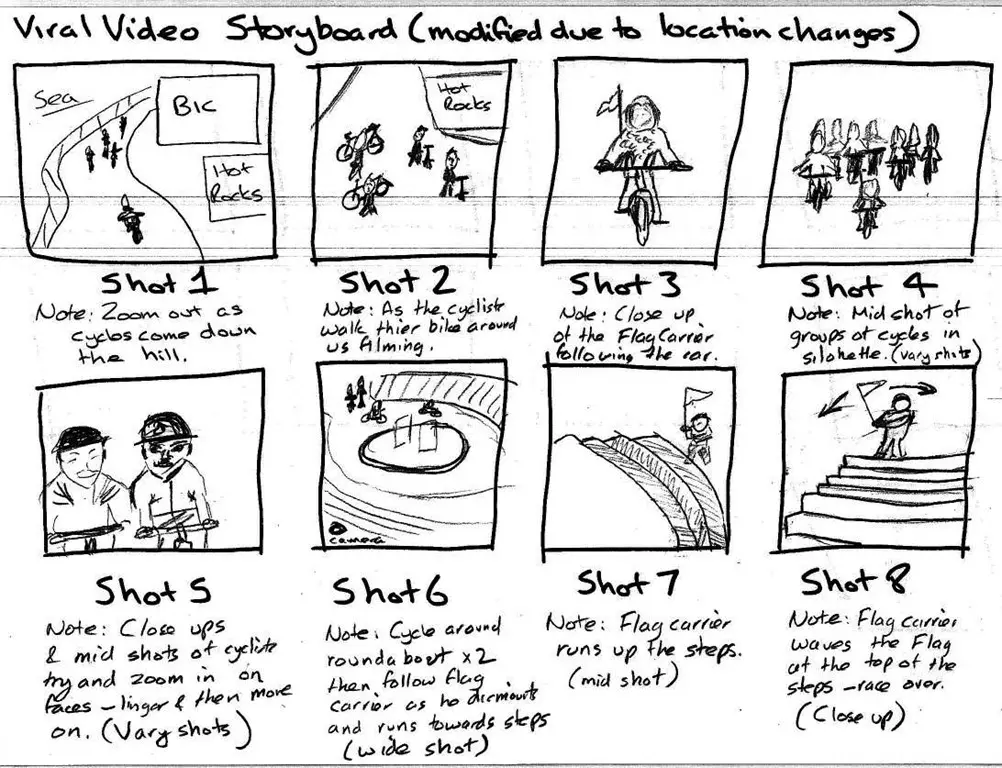
During this phase, teams plan every practical detail. They create storyboards and shot lists to visualize each scene. They confirm locations, talent, and schedules. They assemble crews, secure equipment, and finalize budgets.
As a result, pre-production eliminates guesswork. Instead of making decisions on the fly, teams arrive on set with a clear plan. This preparation saves time, controls costs, and protects creative intent.
In a professional video production process, pre-production often determines whether a shoot runs smoothly or unravels under pressure.
Step 4: Production – Filming and Direction
Then comes the most visible stage: production.
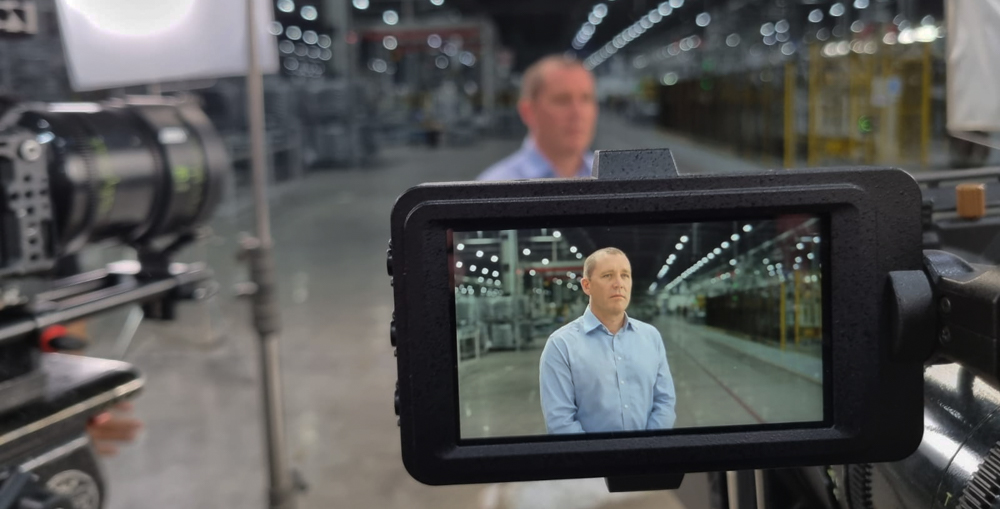
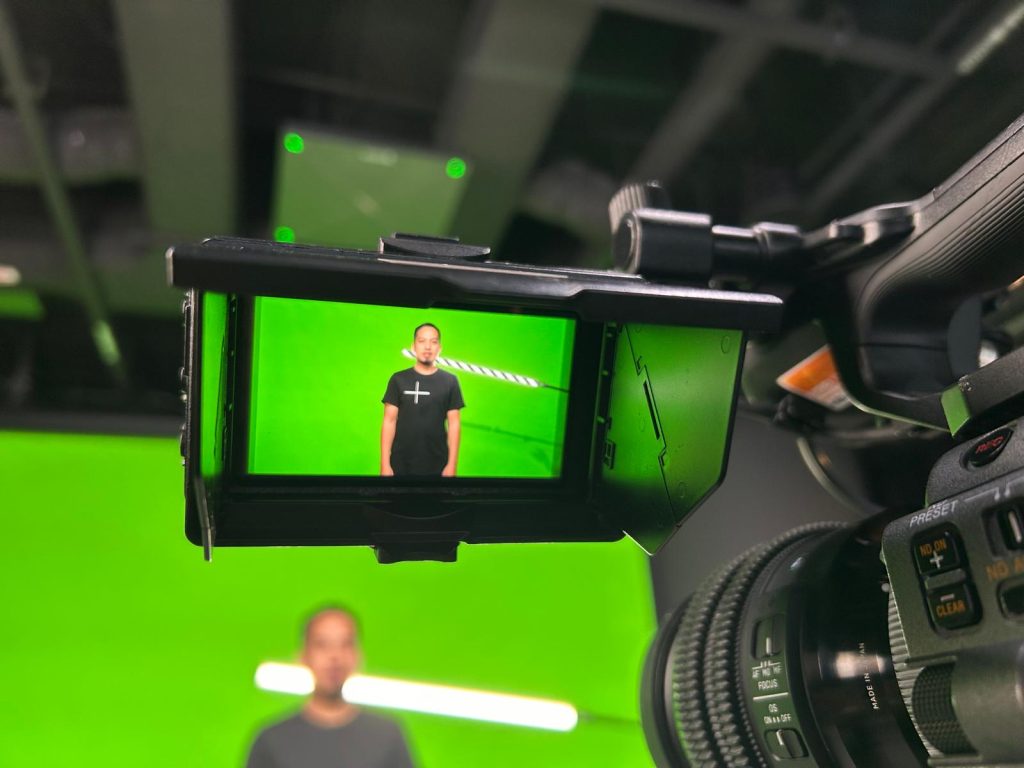
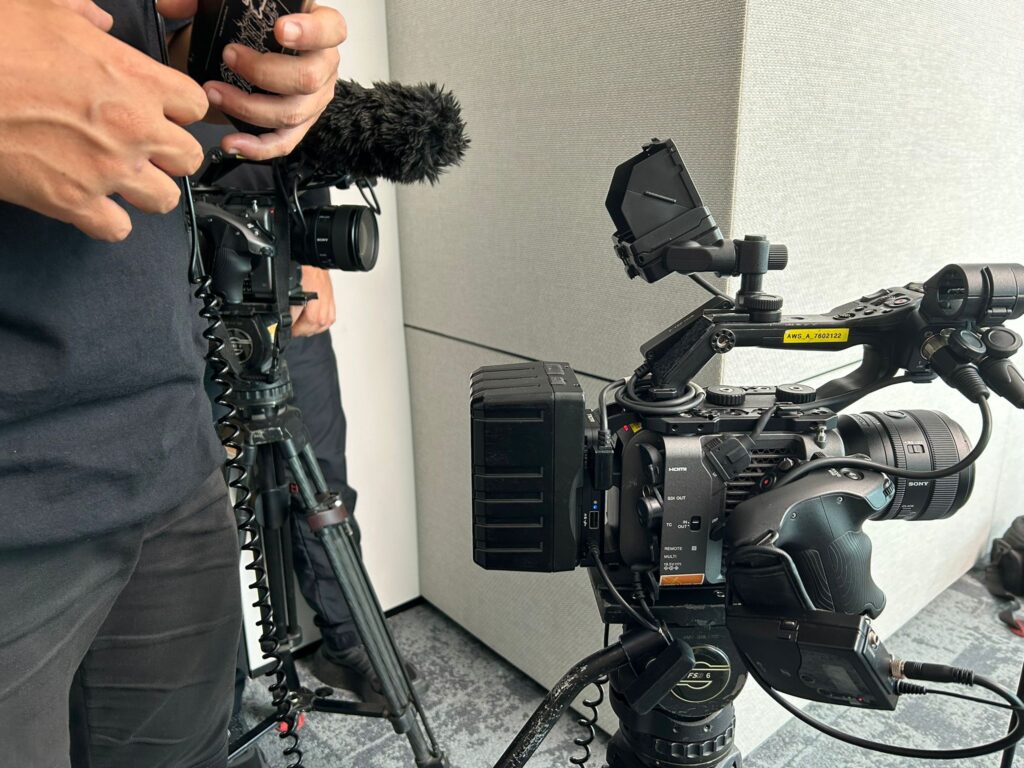
On set, direction brings the script to life. The director guides performances and ensures that each shot supports the story. Meanwhile, the producer manages logistics, timing, and problem-solving. Camera, lighting, and sound teams work together to capture clean, consistent footage.
Because pre-production sets clear expectations, the shoot stays focused. Rather than overshooting or improvising endlessly, the team captures exactly what the story requires. Consequently, production time becomes efficient, creative, and controlled.
When strategy and planning lead the way, filming feels purposeful rather than chaotic.
Step 5: Post-Production – Editing, Sound, and Finishing
After filming wraps, post-production begins shaping the final story.
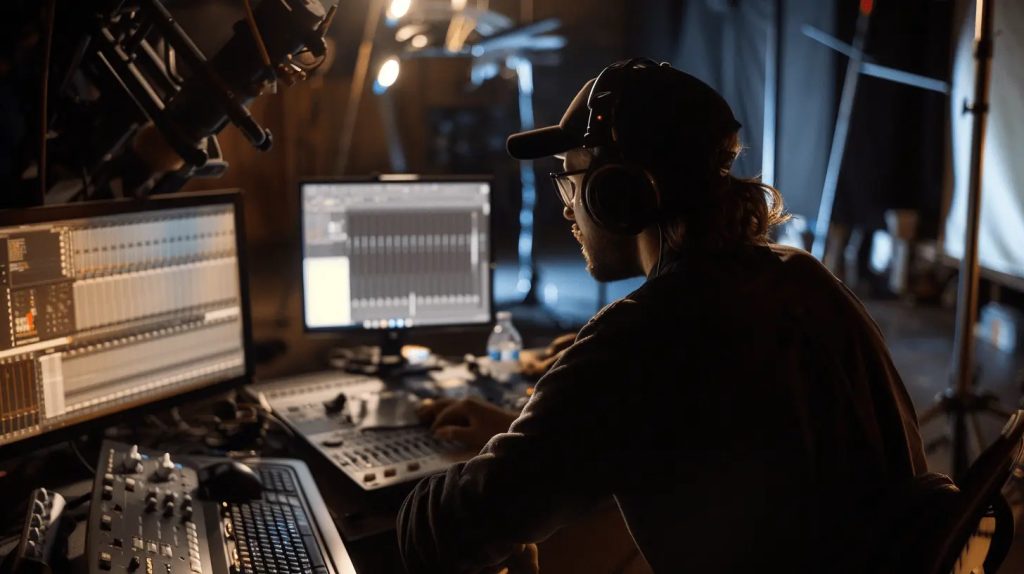
Editors review footage, select the strongest moments, and build narrative flow. They adjust pacing to maintain engagement and clarity. At the same time, sound design and music add emotional depth, while color grading ensures visual consistency.
In addition, teams may add motion graphics, captions, or branded elements to support clarity and accessibility. Each choice reinforces the message rather than distracting from it.
Because post-production defines how audiences experience the video, professional teams treat this phase with care. Through thoughtful editing, raw footage becomes a cohesive, polished story.
Step 6: Review, Delivery, and Optimization
Before delivery, teams conduct structured reviews. Rather than reacting subjectively, they evaluate feedback against the original objectives. This approach keeps revisions focused and productive.
Once approved, the video moves into distribution. Teams optimize formats for different platforms, including websites, LinkedIn, YouTube, and internal channels. They create cut-downs, adjust aspect ratios, and add captions where needed.
Finally, optimization ensures the video performs well in real-world conditions. With the right preparation, the content reaches audiences clearly and effectively.
Why Professional Video Production Makes the Difference
Although in-house video can work for simple needs, professional video production delivers consistency, clarity, and strategic oversight. Experienced teams understand how each stage connects to the next. They anticipate challenges early and solve problems before they escalate.
Moreover, a professional video production company protects brand integrity. From messaging to visual tone, every detail aligns with the organization’s identity. As a result, the final video feels intentional, credible, and polished.
Ultimately, professionalism does not limit creativity. Instead, it gives creativity structure and direction.
From Script to Screen Is a Strategic Process
In conclusion, the journey from script to screen follows a clear purpose. Each phase builds on the one before it, transforming ideas into meaningful outcomes. In other words, plan your work and work your plan.
By following a structured video production process, organizations reduce risk, improve collaboration, and produce content that resonates. Video becomes more than a visual deliverable. It becomes a powerful communication tool.
When every step is intentional, the final result feels effortless. And that is the true value of professional video production.
For more information or a conversation about video production or direction, please get in touch with us.